The Evolving Landscape of Digital Identity: Trends Shaping the Future
The digital realm is experiencing a rapid shift in how we verify ourselves online. Groundbreaking technologies are reshaping the concept of digital identity, creating both possibilities and driving a more secure online experience. Self-sovereign identity (SSI) are gaining traction in this space, providing individuals with increased autonomy over their data and {identities|. This trend is likely to shape various sectors, including finance, healthcare, and government.
- Numerous key trends include this transformation:
- Biometric authentication
- Machine learning
- The rise ofimmersive experiences
Navigating these trends is crucial for {individuals|, businesses, and governments to ensure a safe, secure digital future.
Countering ID Fraud: Strategies for a Secure Digital World
In today's increasingly digital landscape, identity deceit poses a significant threat to individuals and organizations alike. To effectively combat this growing menace, it is crucial that we implement robust security measures and foster a culture of awareness.
Utilizing multi-factor authentication, regularly updating software and devices, and practicing strong password hygiene are basic steps in safeguarding against ID illegality. Furthermore, educating users about the threats of phishing scams and other social engineering tactics is vital.
Collaboration between governments, businesses, and individuals is essential to creating a secure digital environment. By working together, we can reduce the impact of ID fraud and safeguard our valuable information in an increasingly interconnected world.
Venturing into the Legal Labyrinth: copyright Laws and Their Implications
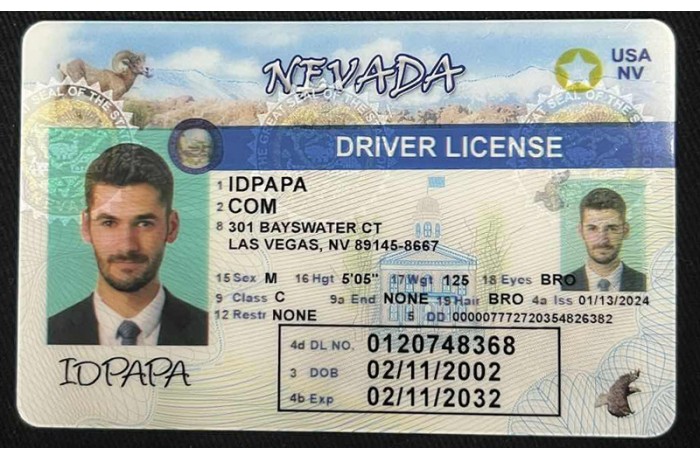
The territory of fake identification unveils a complex legal scenery. Laws dictating these identifiers vary widely across jurisdictions, presenting a complex web for both persons and law enforcement.{ Possession of a copyright can lead in severe penalties, including fines, imprisonment, and a criminal record. Moreover, the obtainment of these forged documents can frequently be associated to more grave criminal activities, further underscoring the gravity of observance with these laws.
Biometrics: A Powerful Tool for Enhanced Security in Digital ID Systems
The digital realm is rapidly evolving, necessitating robust security measures to safeguard sensitive information. Person-Specific Identifiers, the science of measuring and analyzing inherent human characteristics, presents a compelling solution for enhanced security within digital ID systems. Exploiting biometrics like fingerprint scanning, facial recognition, or iris analysis, digital identities can be authenticated with unprecedented accuracy and resilience against fraud. This technology not only expedites identity verification processes but also establishes a secure framework for managing essential personal data in an increasingly interconnected world.
Biometric systems boast distinct advantages compared to conventional methods|. They are inherently difficult to forge or replicate, reducing the risk of unauthorized access and identity theft. Moreover, biometrics provide a seamless user experience, as users can conveniently verify their identities without relying on physical tokens.
- However| , it is crucial to address potential concerns surrounding biometrics, including data privacy and the possibility of breaches. Robust regulatory frameworks and ethical guidelines are essential to ensure responsible implementation and mitigate any negative consequences.
Balancing Convenience and Privacy: The Ethical Considerations of Biometric Authentication
Biometric authentication provides a seamless way to identify users. However, the increasing adoption of this technology raises pressing ethical questions. Storing biometric data poses a unique set of challenges to user privacy, as this information is intrinsically personal and unalterable. Moreover, the potential for exploitation of biometric data by malicious actors demands careful consideration concern.
A delicate balance must be maintained between the utilities of convenience and the imperative to protect user privacy. Robust safeguards, such as secure storage, clear consent mechanisms, and comprehensive regulations are critical to mitigate these risks and ensure the ethical implementation of biometric authentication.
Ultimately, the goal should be to leverage the potential of this technology while upholding the fundamental right to privacy.
Strengthening Trust: Best Practices for Implementing Secure Digital Identity Solutions
In today's increasingly digital world, secure digital identity solutions are paramount to fostering trust and protecting sensitive information. To effectively implement these systems, organizations must adhere to best practices that prioritize privacy, accountability, and adaptability. A key component involves implementing multi-factor authentication procedures to verify user identity. Additionally, regular audits and security reviews are crucial for identifying and mitigating potential vulnerabilities. By adhering to these best practices, organizations can create a secure and trustworthy environment for users while reducing the risk of Retailer ID training fraud and data breaches.